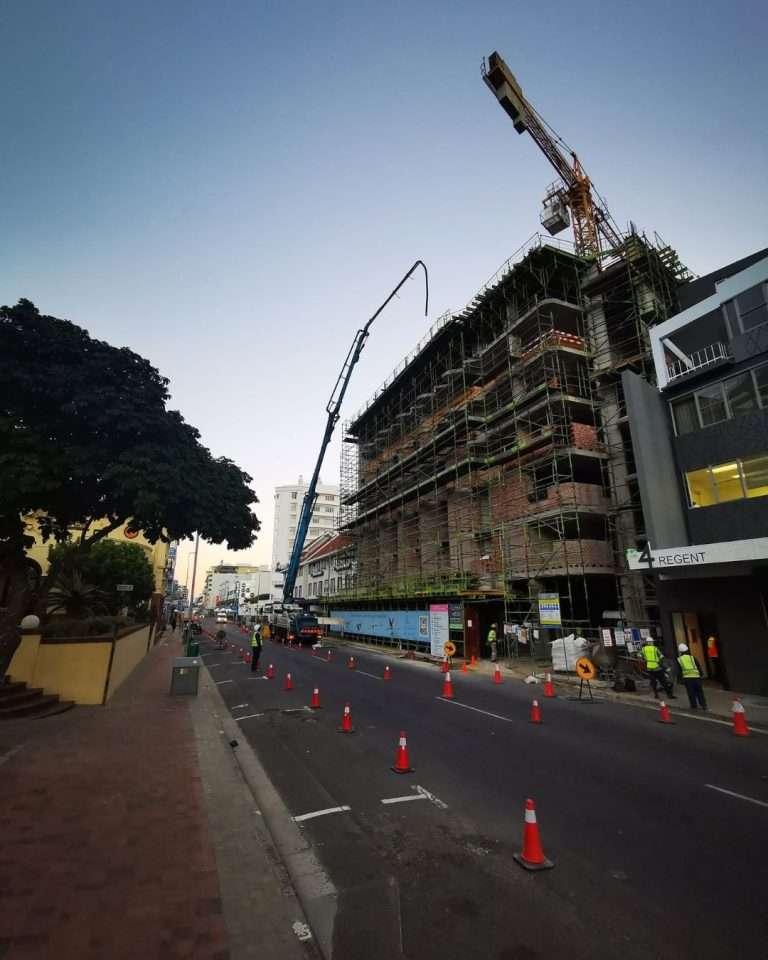
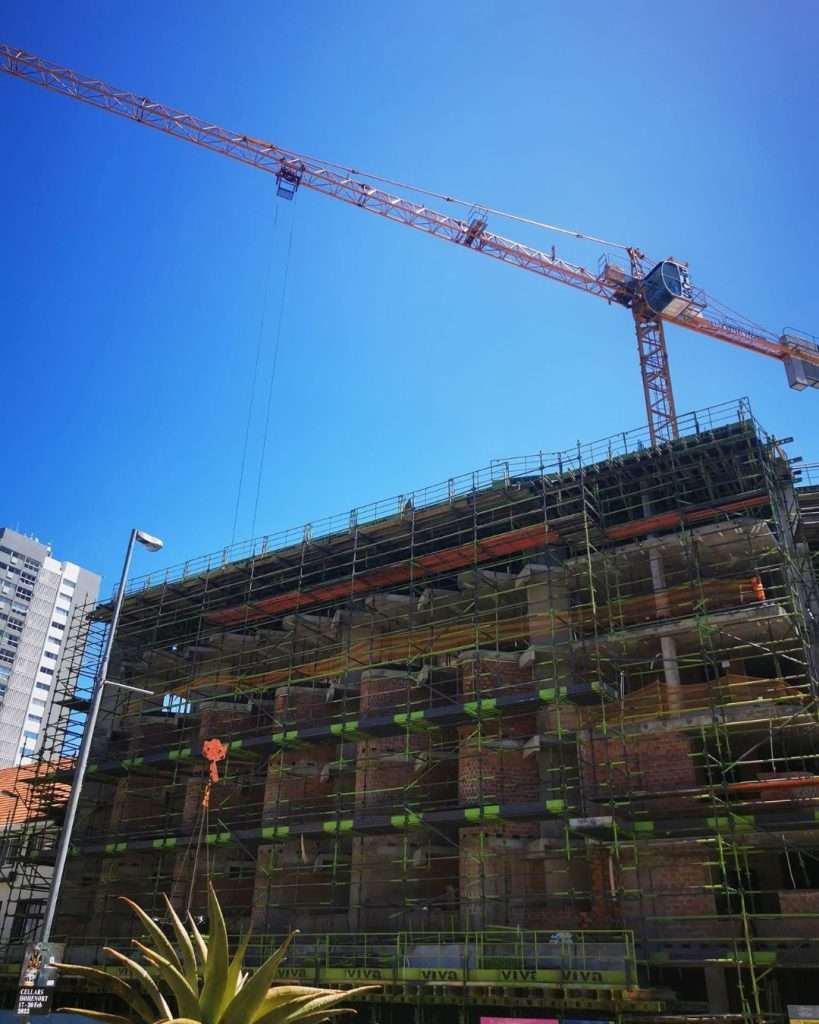
Building in Cape Town and the Winelands means dealing with plans, approvals, contractors, consultants, safety rules and a budget, all at the same time. Construction project management is the work of keeping those pieces in order from the first idea to the day the keys change hands. This post explains what that work involves and why many owners appoint someone to do it.



You will see what the approval and compliance rules in Cape Town ask of an owner, where building projects tend to run into trouble, and what a project manager does in each phase. You will also see what to look for when you appoint one. Ostium’s own approach is used as the example throughout.
By the end, you should be able to decide how much management your project needs and which questions to ask before you sign anything.
What Is Construction Project Management?
Construction project management is the planning, coordination and control of cost, time and quality on a building project. The project manager is the single point of contact between the owner, the architect, the engineers, the quantity surveyor, the contractor and the suppliers.
Who Uses Project Management Services?
Ostium works with private homeowners, property developers, investors, body corporates and HOAs, and commercial property owners. The service covers residential new builds, alterations and additions, and developments across Greater Cape Town, Stellenbosch and the Cape Winelands.
An independent project manager acts for the property owner and not for the contractor. Ostium has no commission arrangements or ties to builders or suppliers, so advice on contractors, costs, quality and claims comes from the owner’s side of the table.
Rules That Shape Every Building Project in Cape Town
Three sets of requirements affect most residential projects in the city: building plan approval, home enrolment with the NHBRC, and health and safety law.
Building Plan Approval: The City of Cape Town states that any building activity generally requires building plan approval, including new buildings, alterations or extensions, and a change of use. Some minor works do not need prior approval. The City also states that building work may only begin once the plan has been approved.
Plans are submitted through the City’s online system, and building inspectors visit the site at stages of construction. On timing, the City has said its aim is about 30 working days for assessing building plans. It has also said that approval usually takes longer when a submission is objected to or opposed. An amendment to the City’s Municipal Planning By-law in 2026 adds notice and access provisions for building plan approvals, including a 44 day window for surrounding owners. A project manager who tracks these dates can keep your programme realistic.
NHBRC Enrolment: The National Home Builders Registration Council (NHBRC) protects housing consumers. If you are building a new home, your builder must be registered with the NHBRC and the home must be enrolled before construction begins. The Housing Consumers Protection Measures Act requires new homes to be enrolled 15 days before construction.
Enrolment also brings inspections. According to the NHBRC, a newly enrolled home can be subject to a minimum of four and a maximum of eight inspections, depending on the enrolment value of the home. Banks matter here too, because many lenders require NHBRC enrolment for bond approval.
Health and Safety Under the Construction Regulations: The Construction Regulations, 2014 place duties on the client. The client must prepare a site specific health and safety specification and include it in the tender documents. The principal contractor then uses that specification to compile a health and safety plan. The regulations allow the client to appoint an agent to carry out these duties. Some projects also need a construction work permit. Ostium’s project management service includes Health and Safety coordination in line with the Occupational Health and Safety Act.
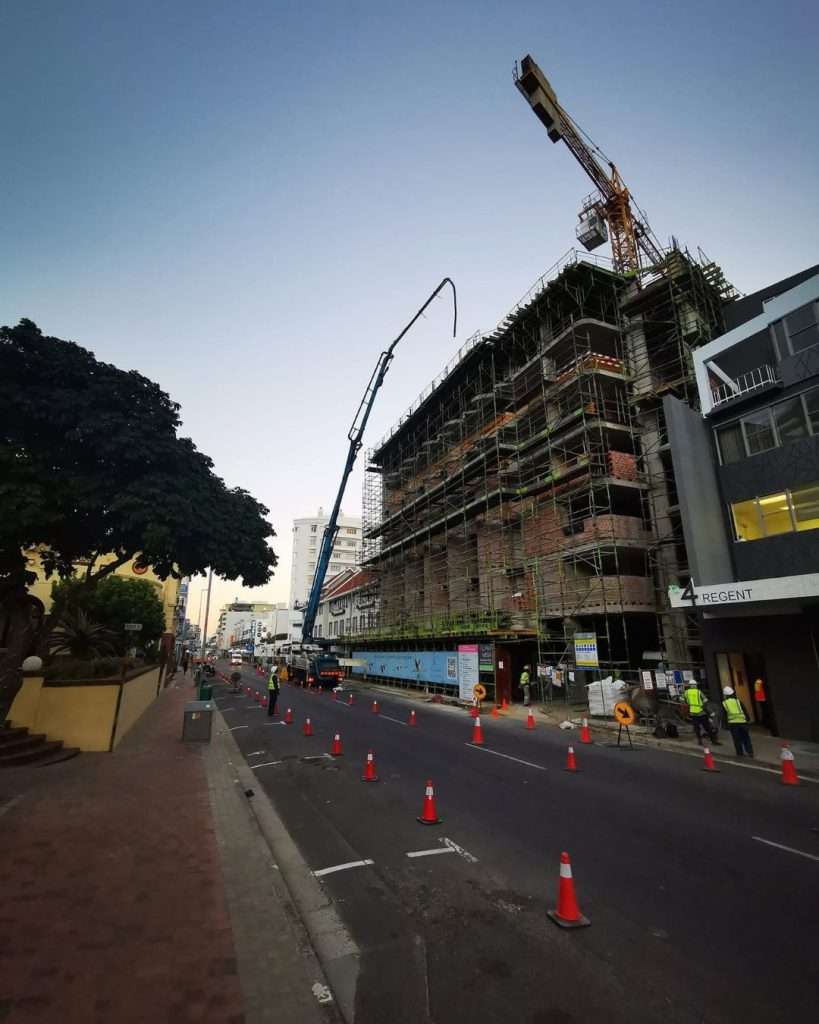
Where Building Projects Run Into Trouble
The Ostium service guide says most projects that run over budget or over time do so because of weak planning, poor coordination and late decisions. The guide pairs each risk with a response.
Cost control starts with a budget and cost plan before work begins, followed by monthly cost reporting. Ostium gives the client early warning when costs exceed the approved budget by more than 5%. On time, the programme is tracked at every site meeting, and the client is notified formally if a delay exceeds 14 working days.
Defects are cheaper to fix when they are found early. Ostium uses structured snag lists and independent inspections before completion is accepted. For disputes, written instructions, meeting minutes and a record of variations lead to a reconciled final account.
Architects, engineers, quantity surveyors, contractors and suppliers each hold part of the picture. One point of contact keeps their work aligned.
Talk to Ostium About Your Project
Ostium supplies interior doors, frames and mouldings and also manages and takes on building projects in Cape Town and the Winelands.
To discuss construction project management for your build, contact the team at info@ostium.co.za.